
Choosing the Right Donor Survey Consultant: Mastering Donor Survey Strategies
- Jun 8
- 4 min read
When it comes to understanding your donors, nothing beats a well-crafted survey. But here’s the catch - designing and executing donor surveys that truly capture insights requires expertise. That’s where choosing the right donor survey consultant becomes a game-changer. You want someone who not only knows the technical side but also understands the heart of donor relationships.
Let’s dive into how you can navigate this choice with confidence, explore effective donor survey strategies, and ultimately build stronger connections with your supporters.
Why Donor Survey Strategies Matter More Than Ever
Donor survey strategies are not just about collecting data. They are about listening to your donors in a way that respects their time and values their input. When done right, surveys can reveal what motivates your donors, what concerns they have, and how you can improve their experience.
Think about it: Have you ever filled out a survey that felt like a chore? Chances are, you didn’t finish it or gave generic answers. That’s why your strategy must focus on clarity, relevance, and engagement.
Here are some practical tips to sharpen your donor survey strategies:
Keep it concise: Limit questions to 10-15 to avoid survey fatigue.
Use clear language: Avoid jargon and keep questions straightforward.
Mix question types: Combine multiple choice, rating scales, and open-ended questions.
Personalize where possible: Tailor questions based on donor history or preferences.
Test before launch: Run a pilot survey with a small group to catch confusing questions.
By applying these strategies, you’ll increase response rates and gather meaningful insights that can shape your fundraising efforts.

How to Identify the Right Donor Survey Consultant for Your Needs
Choosing a consultant is more than just hiring someone with survey skills. It’s about finding a partner who understands your mission and can translate donor feedback into actionable plans.
Here’s what I look for when selecting a donor survey consultant:
Experience with nonprofits: They should know the unique challenges and language of fundraising.
Strong analytical skills: Beyond collecting data, they must interpret it to tell a story.
Communication expertise: They should help craft questions that resonate and avoid bias.
Technological savvy: Familiarity with survey platforms and data visualization tools is a plus.
Collaborative approach: They should work closely with your team, not just deliver a report.
Don’t hesitate to ask for case studies or references. A good consultant will gladly share examples of how their work improved donor engagement or increased giving.
Remember, the right consultant is an investment that pays off by deepening your donor relationships and boosting your fundraising success.
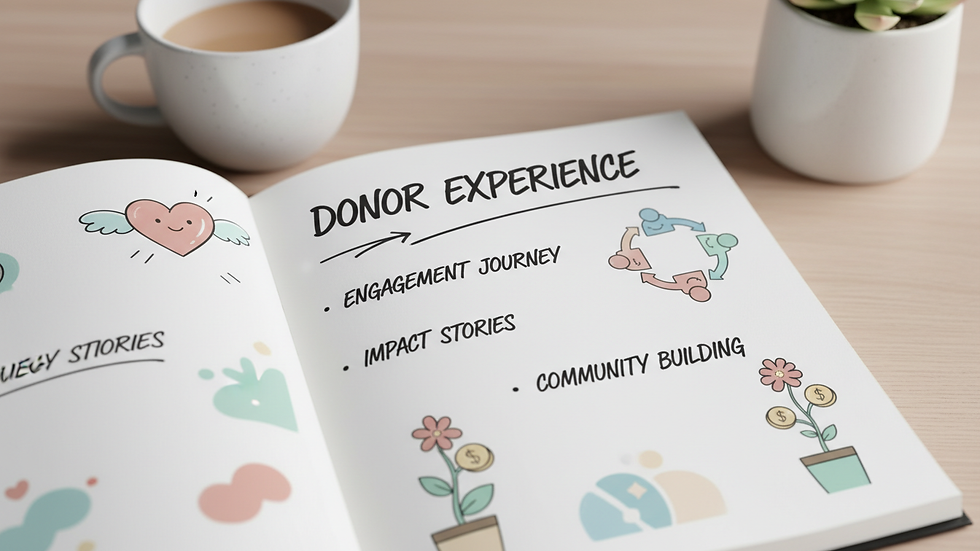
What are the 4 pillars of the donor experience?
Understanding the donor experience is crucial when designing surveys and interpreting results. The donor journey is built on four key pillars that shape how supporters feel about your organization:
Connection - Donors want to feel personally connected to your cause. Surveys should explore how well your messaging and outreach foster this bond.
Communication - Clear, timely, and relevant communication keeps donors informed and engaged. Ask about preferred channels and frequency.
Recognition - Everyone appreciates being acknowledged. Find out if donors feel valued and how they prefer to be thanked.
Impact - Donors want to see the difference their gifts make. Questions should gauge their understanding and satisfaction with your impact reporting.
By focusing on these pillars, your surveys will uncover areas to enhance the donor experience, leading to stronger loyalty and increased support.
Practical Steps to Collaborate Effectively with Your Donor Survey Consultant
Once you’ve chosen your consultant, the real work begins. Collaboration is key to ensuring your survey delivers the insights you need.
Here’s how to make the partnership productive:
Set clear goals: Define what you want to learn and how you’ll use the data.
Share background info: Provide donor demographics, past survey results, and fundraising history.
Be open to feedback: Consultants may suggest changes to your initial ideas for better results.
Plan the timeline: Agree on deadlines for drafts, testing, and final delivery.
Discuss reporting formats: Decide how you want the findings presented - dashboards, written reports, or presentations.
Prepare your team: Ensure staff involved understand the survey’s purpose and can support outreach.
This collaborative approach ensures the survey is tailored to your organization’s unique context and maximizes the value of the consultant’s expertise.
Making the Most of Your Donor Survey Results
Collecting data is just the beginning. The real impact comes from how you use those insights to improve your fundraising and donor relations.
Here are some actionable ways to leverage your survey results:
Segment your donors: Use responses to tailor communications and appeals.
Address concerns: If donors express dissatisfaction, develop plans to fix those issues.
Highlight successes: Share positive feedback with your team and donors to build morale.
Refine your messaging: Adjust your storytelling based on what resonates most.
Plan future surveys: Use lessons learned to improve your next survey cycle.
Remember, surveys are a conversation, not a one-time event. Showing donors that you listen and act on their feedback builds trust and encourages ongoing support.
Choosing the right donor survey consultant is a strategic step toward deepening your understanding of those who support your mission. With thoughtful donor survey strategies, a focus on the donor experience, and a collaborative mindset, you can transform survey data into meaningful action. Ready to take your donor engagement to the next level? It all starts with asking the right questions - and having the right partner to help you listen.


Comments